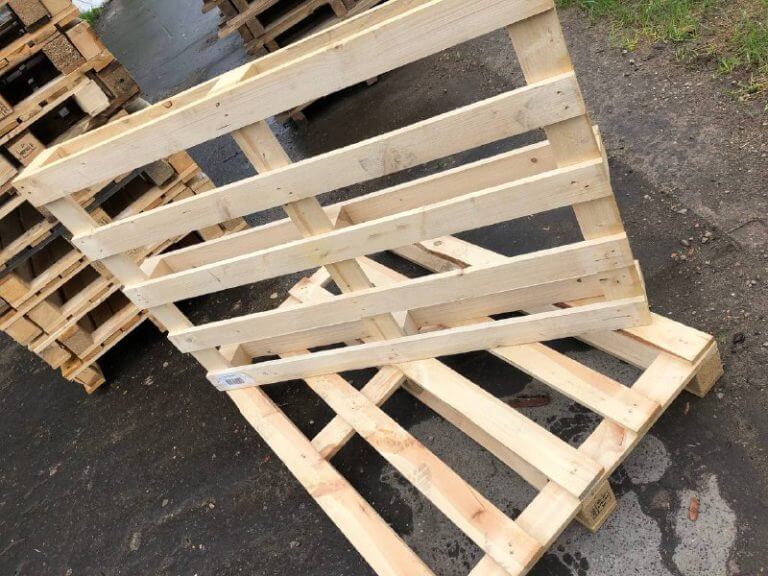
14 Questions You Shouldn't Be Insecure To Ask About Wooden Pallets Clearance
Understanding Wooden Pallets Clearance: An In-Depth Guide
Wooden pallets are a crucial part of the supply chain in numerous markets. They function as a platform for carrying products, making them an essential resource for makers, distributors, and retailers. Nevertheless, there comes a time when organizations require to clear out old or excess wooden pallets. This article will check out the principle of wooden pallets clearance, its significance, the procedure involved, and often asked concerns.
What is Wooden Pallet Clearance?
Wooden pallet clearance describes the process of eliminating unwanted, harmed, or excess wooden pallets from storage or functional locations. This can include a range of actions such as recycling, selling, or repurposing pallets. Offered just how much area these pallets can inhabit, specifically in warehouses or packing docks, prompt clearance is important for keeping an effective workflow.
Value of Wooden Pallet Clearance
- Area Management: Excess pallets can take up important storage space, which could be much better used for other stock or items.
- Safety: Accumulated pallets can produce threats in offices, causing possible accidents and injuries.
- Expense Efficiency: Clearing out old pallets can decrease holding costs and complimentary up resources for other business operations.
- Sustainability: Properly recycling or repurposing wooden pallets adds to environmental sustainability efforts and minimizes waste.
The Wooden Pallet Clearance Process
The procedure of wooden pallet clearance can be broken down into a number of steps:
Step
Description
1. Assessment
Evaluate the condition of the pallets— which ones are functional, harmed, or excess.
2. Arranging
Classify pallets into classifications: those to keep, recycle, offer, or dispose of.
3. Detailing
Prepare pallets by fixing or cleaning up those that are sellable or reusable.
4. Disposal/Recycling
For unusable pallets, organize for recycling or disposal in compliance with local regulations.
5. Sales
If pallets are in good condition and have resale value, think about selling them to providers or other services.
6. Repurposing
Check out innovative methods to repurpose wooden pallets for tasks, decorations, or furnishings.
Advantages of Each Step
- Assessment guarantees that resources are efficiently utilized.
- Sorting assists in making informed decisions about what to do with each pallet.
- Detailing increases the potential for resale.
- Disposal/Recycling minimizes waste and lines up with environmental responsibilities.
- Sales can generate extra revenue.
- Repurposing promotes creativity and sustainability.
Often Asked Questions (FAQ)
Q1: What should I do with damaged wooden pallets?
A1: Damaged pallets can typically be repaired. If they are beyond repair, think about recycling them. Numerous facilities accept wooden pallets and can break them down into recyclable materials.
Q2: How can I sell my excess wooden pallets?
A2: You can sell excess pallets through online markets, regional classifieds, or straight to services that use or recondition pallets. Connecting with regional wholesalers or makers may also yield purchasers.
Q3: Are there regulations on pallet disposal?
A3: Yes, policies can vary depending on your area. It's essential to inspect local waste management standards to ensure compliance when dealing with wooden pallets.
Q4: Can I repurpose wooden pallets in your home?
A4: Absolutely! Wooden pallets are highly versatile and can be transformed into furniture, garden beds, wall art, and more. There are countless DIY projects readily available online for inspiration.
Q5: How often should I conduct a wooden pallet clearance?
A5: The frequency of clearance depends on your business's size and pallet use. Nevertheless, it is advisable to evaluate your pallet stock occasionally, preferably quarterly or bi-annually.
The Environmental Impact of Wooden Pallet Clearance
Among the considerable advantages of wooden pallet clearance is its favorable impact on the environment. visit website and repurposing wooden pallets can substantially decrease waste. According to research studies, wooden pallets can be recycled several times before they reach the end of their helpful life, which conserves natural deposits and minimizes land fill waste.
Ecological Benefits of Wooden Pallet Clearance
1. Waste Reduction: Recycling pallets decreases garbage dump waste.
2. Resource Conservation: Reduces the requirement for new lumber.
3. Carbon Footprint: Decreases the carbon emissions associated with producing new pallets.
4. Biodiversity: Less logging for new pallets helps keep forest environments.
Innovative Ideas for Repurposing Wooden Pallets
For those interested in DIY jobs, wooden pallets can become a source of imagination. Here are some ideas to consider:
- Garden Furniture: Create benches, tables, or even planters for outdoor spaces.
- Wall Art: Use pallets as a canvas for paint or as a display board for images.
- Storage Solutions: Build racks or racks to organize tools or other products.
- Family pet Beds: Construct a relaxing bed for pets using pallet wood.
- Home Décor: Customize pallets to make distinct image frames, wine racks, or coat wall mounts.
The clearance of wooden pallets is an essential procedure for businesses that count on these products for logistics and storage. By understanding the actions involved and the advantages of correct clearance, companies can improve their functional efficiency while likewise contributing to sustainability efforts. Additionally, the potential for repurposing wooden pallets opens doors for creativity and development both in service and personal settings.
In a world where effectiveness and sustainability are vital, understanding the procedure of wooden pallet clearance can result in considerable benefits for services and the environment alike. Whether through recycling, selling, or discovering new imaginative uses, there are lots of pathways to check out.